Python Programming for Beginners: Learn Step by Step
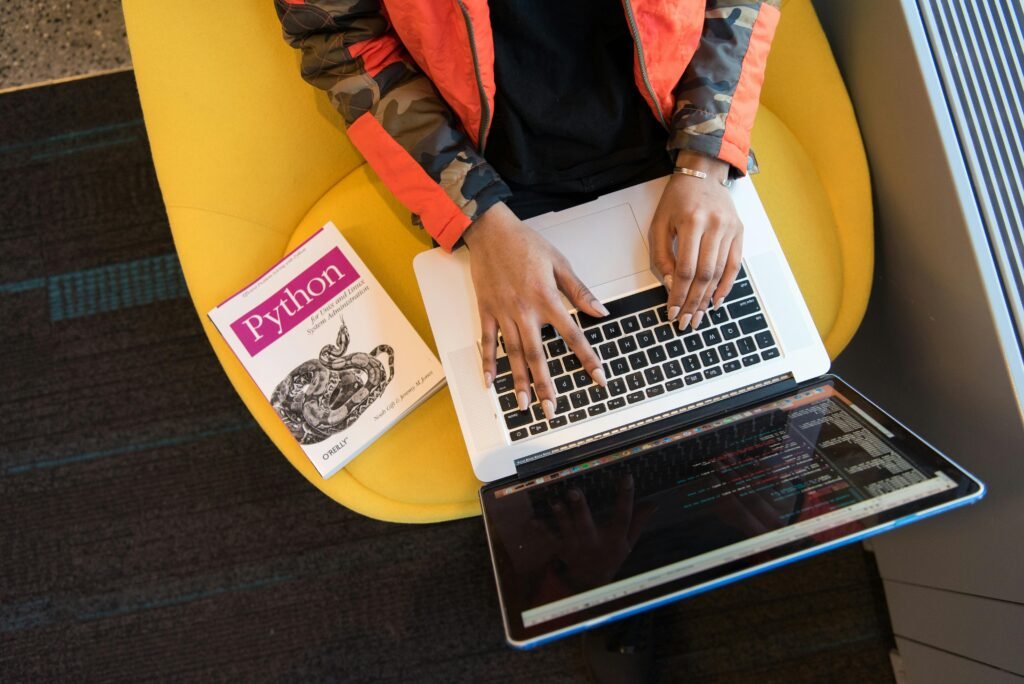
Python is currently one of the trendiest and easiest programming languages in the world. It is easy to read and simple to write and is widely used in web development, data science, artificial intelligence, automation, and software development. This page has been prepared to make students and beginners understand Python programming easily and in a practical way.
What is Python Programming?
Python is a high-level language that was designed to have simplicity and readability in mind during its creation. Unlike many languages, which may be technically complicated, Python uses simple English words and clean syntax, making it an excellent choice for beginners.
It is used by developers, students, and companies to build websites, automate tasks, analyze data, or create smart applications.
Why Learn Python as a Beginner?
Python is one of the best choices for beginners because it focuses on simplicity and real-world use.
Easy to learn, understand.
- Syntax easily understandable by beginners
- Used in web development, AI, and data science.
- Large community, lots of learning resources
- Works on Windows, Linux and macOS
Where is Python Used?
Python has been adopted in various modern technologies and industries.
- Web Development (Backend Programming)
- Data Science & Data Analysis
- Artificial Intelligence & Machine Learning
- Automation & Scripting
- Game Development
- Desktop Applications
Python Programmcode for Students
Following is a simple Python program which will help beginners get an understanding of how the Python language works.
This code will print a message and do a simple math calculation.
# Simple Python program

name = "Student"
age = 18

print("Hello", name)
print("You are", age, "years old")

# Simple calculation
number1 = 10
number2 = 5

print("Sum:", number1 + number2)
In this way, Python is seen to have very simple code terms, making even reading Python code relatively easy.
Python Learning Roadmap for Beginners
Learning Python can become quite manageable if you have a structured plan.
- Learn Python fundamentals (variables and data types)
- Understand Conditions and loops
- Practicing Functions and Simple Programs
- Learn how to work with files and libraries
- Building Small Python Projects
Ways to Python Practice at Home
Python can be learned at home by practicing small programs every day. Start practicing simple examples such as printing messages, performing calculations, and writing small scripts. Practical training has more importance than memorizing programming theory.
Free Resources for Learning Python
This website offers free learning materials for Python beginners. Tutorial lessons, example files, and PDF files will be created as learning aids for students learning Python programming.
Examples of free Python PDFs will be added soon.
Helpful Python Tools & Resources
- Website of Python Official – Download Python
- Visual Studio Code -Code Editor for Python
- Replit – Online Python practice tool
What to Learn Next After Python Basics
Once you have learned Python basics, you can discover more learning areas on this website.
CLICK HERE to view the use of Python on the backend at Web Development.
Visit Tools for free online generators
Try Games to enhance logical thinking skills.
Final Note for Beginners
Python is a valuable skill that will continue to grow as you learn and work with it more. Begin with small projects, work on them regularly, and gradually progress. This site has been created for beginners with free resources.